For years, Meta’s ecosystem rewarded creators who could consistently attract followers, generate engagement, and produce quality content. Today, however, the platform has evolved beyond simple audience growth. Subscription products like Meta Verified and creator subscriptions have introduced a new economic layer that many creators believe is changing user behavior.
A growing question across the creator economy is:
Does Meta’s subscription model unintentionally discourage people from following creators?
The answer is more nuanced than a simple yes or no.
While subscriptions create sustainable income opportunities for established creators, they may also influence how audiences discover, follow, and engage with emerging creators. This article examines the evidence, explores the benefits and drawbacks, and explains what creators should consider before relying on subscription monetization.
Quick Answer
Meta subscriptions do not directly prevent users from following creators.
However, subscription-first strategies can indirectly slow audience growth when:
- creators place too much content behind paywalls
- new visitors perceive most valuable content as locked
- algorithms prioritize engagement over subscription offers
- users hesitate to commit financially before building trust
At the same time, subscriptions help creators diversify income, reduce dependence on advertising, and build stronger communities.
The impact depends largely on how subscriptions are implemented.
Why This Question Matters
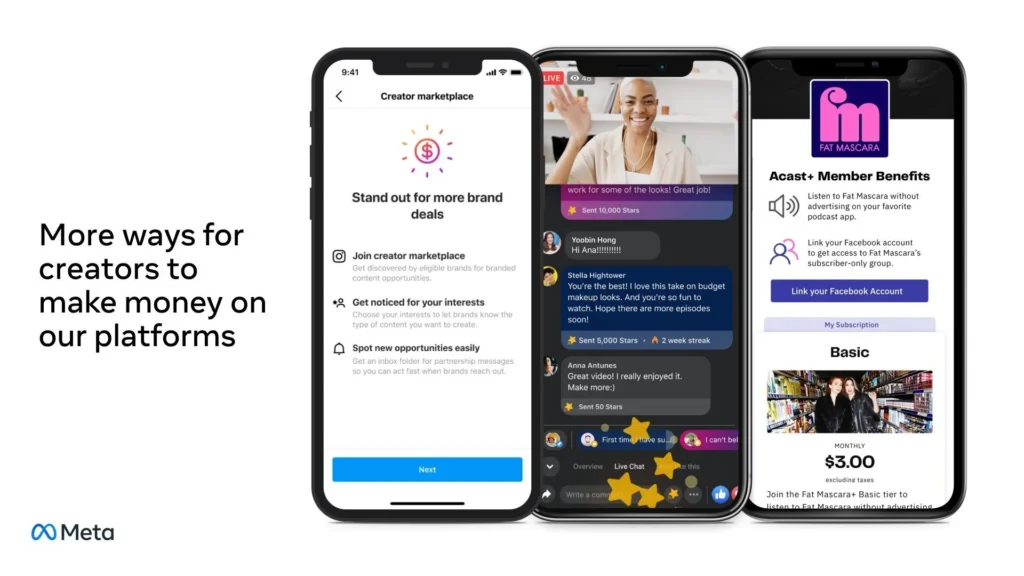
The creator economy has shifted dramatically.
Five years ago, success was measured by:
- follower count
- reach
- viral posts
Today, success increasingly depends on:
- recurring revenue
- memberships
- exclusive communities
- direct audience relationships
This transition mirrors broader digital trends across YouTube, Patreon, Substack, Discord communities, and Meta itself.
Instead of maximizing followers alone, platforms increasingly encourage creators to maximize customer lifetime value.
That changes incentives.
How Meta’s Subscription Ecosystem Works
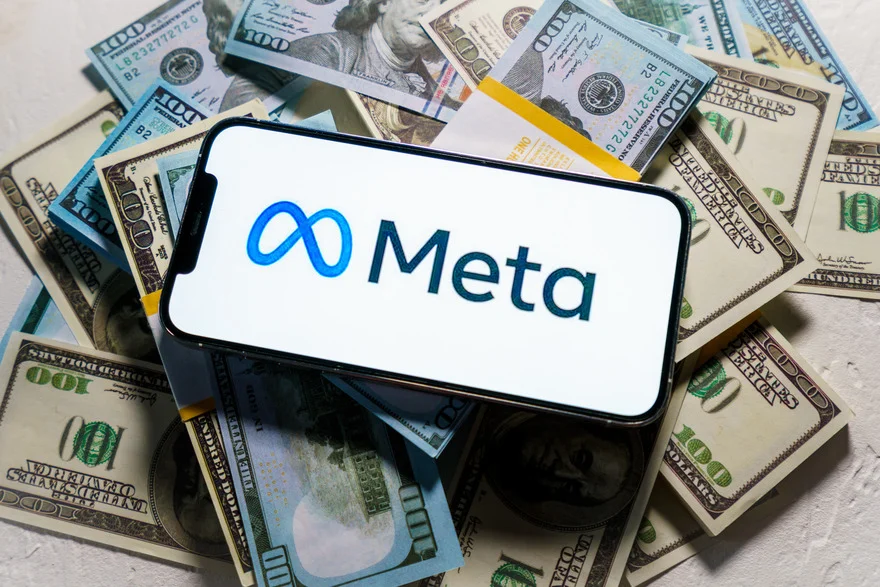
Meta now offers several monetization products, including:
- Meta Verified
- Creator Subscriptions
- Stars
- Gifts
- In-stream monetization
- Brand collaborations
- Ads on Reels (where available)
The objective is simple:
Give creators multiple ways to earn without depending solely on advertising.
For creators, this is a positive development.
For audience growth, however, the incentives become more complex.
The Argument: Why Subscription Monetization Could Discourage Followership
Many creators argue that subscription-focused ecosystems unintentionally reduce follower growth.
Although Meta has not publicly stated this objective, several behavioral patterns support why this perception exists.
1. New Visitors See Locked Content
Imagine discovering a creator for the first time.
Instead of immediately consuming valuable posts, you encounter:
- subscriber-only badges
- exclusive content labels
- members-only videos
- premium communities
Many users simply leave.
People generally need multiple positive interactions before deciding to follow or subscribe.
Introducing payment too early may interrupt that process.
2. The Psychology of Free Value
Social media has always operated on a simple exchange:
Creators provide value.
Audiences reward them with follows.
Subscription ecosystems introduce another exchange:
Creators provide premium value.
Audiences pay.
When the balance shifts too quickly toward monetization, some potential followers never develop enough trust to convert into loyal fans.
3. Reduced Shareability
Content hidden behind subscriptions cannot spread as easily.
Public content is:
- shared
- reposted
- recommended
- discovered
Subscriber-only content has limited distribution.
Less distribution often means slower audience growth.
4. Discovery Algorithms Still Reward Engagement
Meta’s recommendation systems primarily evaluate signals like:
- watch time
- comments
- shares
- saves
- meaningful interactions
Subscription status itself is not publicly known to be a ranking signal.
Creators who reduce free content may unintentionally reduce engagement signals that fuel discovery.
5. Creator Attention Shifts
Subscription income changes priorities.
Instead of creating content for millions, creators may focus on serving a few thousand paying members.
This isn’t necessarily bad.
But growth strategies naturally change from acquisition to retention.
The Advantages of Subscription Monetization
Despite concerns, subscriptions solve several long-standing problems.
Stable Revenue
Advertising income fluctuates.
Algorithms change.
Brand deals disappear.
Subscriptions create recurring monthly revenue.
For many creators, predictable income is transformational.
Higher Quality Communities
Subscribers tend to be:
- more engaged
- more loyal
- less toxic
- more invested
Smaller communities often produce healthier discussions than massive public audiences.
Reduced Algorithm Dependence
When revenue depends entirely on reach, every algorithm update becomes a financial risk.
Subscriptions reduce this dependence.
Creators earn from relationships rather than impressions alone.
Better Long-Term Sustainability
Many creators experience burnout chasing viral moments.
Subscription models encourage deeper content instead of constant virality.
That can improve both creator well-being and audience satisfaction.
The Disadvantages
The drawbacks become more apparent for smaller creators.
Slower Audience Growth
New creators need visibility.
Too much gated content can reduce discoverability.
Without steady audience growth, subscriptions become difficult to scale.
Lower Conversion at Small Scale
Most audiences are unwilling to pay creators they barely know.
Trust usually develops through months—or years—of free value.
Launching subscriptions too early often produces disappointing results.
Perceived Commercialization
Some followers interpret constant subscription promotion as excessive selling.
This can reduce engagement among free followers.
Balance matters.
Content Fragmentation
Maintaining both public and subscriber-only content doubles the workload.
Creators must continuously decide:
- What stays free?
- What becomes premium?
Poor decisions can alienate both audiences.
What Research Suggests About Creator Monetization
Behavioral economics offers useful insights.
People are more likely to pay after experiencing consistent value.
This aligns with the “freemium” model used by software companies:
- Spotify
- Canva
- Notion
- Dropbox
They attract users with free experiences before introducing premium features.
The same principle applies to creator platforms.
Trust typically precedes payment.
Does Meta Intentionally Limit Growth?
There is no credible public evidence that Meta intentionally suppresses follower growth to encourage subscriptions.
Platform recommendation systems are designed to maximize user engagement and satisfaction.
However, monetization features can indirectly influence creator behavior.
When creators gate more content or prioritize subscribers, audience growth may slow—not because Meta reduces reach, but because user behavior changes.
This distinction is important.
Correlation is not proof of deliberate platform strategy.
The Best Strategy for Creators in 2026
The most successful creators increasingly use a hybrid approach.
80% Public Value
- educational posts
- entertaining videos
- viral Reels
- community engagement
20% Premium Value
- exclusive tutorials
- live sessions
- downloadable resources
- behind-the-scenes content
- private communities
This model allows creators to keep attracting new followers while generating recurring revenue from their most loyal audience.
Frequently Asked Questions
Does Meta Verified reduce organic reach?
There is no verified evidence that Meta Verified reduces or increases organic reach by itself. Meta states that verification provides identity verification, account support, and other benefits, but it does not guarantee higher content distribution.
Should small creators launch subscriptions?
Usually not immediately. Most creators benefit from building trust and a consistent audience before asking followers to pay.
Is follower growth still important?
Yes. Followers remain the foundation for engagement, community building, brand partnerships, and long-term monetization.
Can subscriptions and growth coexist?
Absolutely. The strongest creator businesses use free content for discovery and premium content for deeper engagement.
Final Thoughts
Subscription monetization represents one of the biggest shifts in the creator economy. Rather than replacing audience growth, it changes the path from attention to income.
Creators who gate too much content too early may find it harder to attract new followers. On the other hand, creators who never develop a recurring revenue model remain highly dependent on algorithm changes and advertising markets.
The evidence does not support the claim that Meta intentionally discourages followership through subscription monetization. Instead, the platform’s tools create new incentives that influence creator and audience behavior. Success increasingly comes from balancing open, discoverable content with meaningful premium experiences.
For creators in 2026, the winning strategy is unlikely to be “followers first” or “subscriptions first.” It is a thoughtful blend of both—earning trust publicly, then monetizing loyalty through optional premium offerings.

The WIRED.Africa's Press Desk delivers breaking news, official announcements, and timely updates on technology, business, innovation, and digital policy. Stories published under this byline are produced through the collaborative efforts of the editorial team and trusted news sources.

AI Engineer (Applied Generative AI), Web Developer, Growth Systems Builder and tech writer with a great passion for building AI-powered workflows, websites, and digital growth systems.