





The question of the best banking app in Nigeria is no longer about popularity—it is about performance, reliability, and financial efficiency.
Nigeria’s fintech ecosystem has expanded rapidly, with millions of users now relying on mobile apps for transfers, savings, business payments, and daily financial management. However, not all banking apps are built the same.
Some excel in low fees and speed, others in security and compliance, while a few dominate business payments and agent networks.
This guide goes beyond rankings and focuses on what actually matters:
Which banking apps work best for real Nigerians in 2026.
What Defines the Best Banking App in Nigeria?
Unlike traditional banking rankings, the best banking app in Nigeria is determined by five real-world performance metrics:
1. Transaction Speed
How fast money moves between banks and wallets.
2. Charges and Fees
Transfer costs, hidden charges, and maintenance deductions.
3. Reliability and Downtime
App uptime, failed transactions, and reversal speed.
4. Security and Regulation
CBN licensing, fraud protection, and authentication layers.
5. User Experience
Ease of navigation, interface design, and customer support.
Best Banking Apps in Nigeria (2026 Ranked)
🥇 OPay — Best Overall Banking App in Nigeria
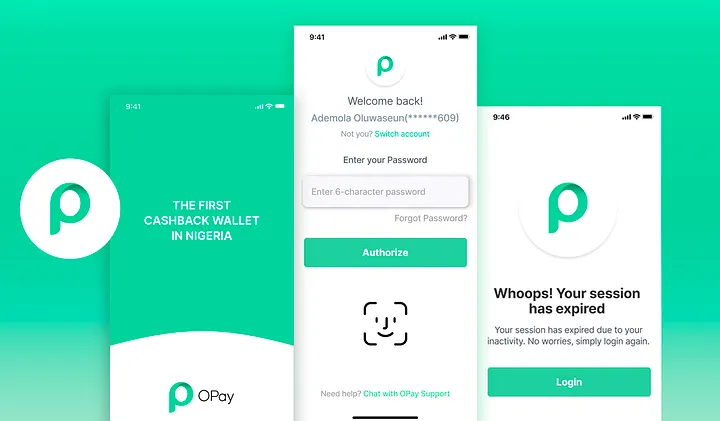
OPay dominates Nigeria’s fintech ecosystem with one of the largest user bases and agent networks in Africa.
It is widely regarded as the best banking app in Nigeria for everyday transactions due to:
- Extremely low transfer fees
- Fast intra-bank transfers
- Strong cashback and reward system
- Massive POS and agent network
- Utility bill integration
OPay is especially strong in semi-urban and urban cash ecosystems where physical cash-out points matter.
Best for: Daily transactions, low fees, fast transfers
🥈 Kuda Bank — Best for Free Digital Banking

Kuda is one of the most refined digital banks in Nigeria, designed for users who want fee-free banking with budgeting tools.
Key strengths include:
- Free monthly transfers (within limits)
- Smart budgeting and spending insights
- Automated savings features
- Clean and intuitive mobile UI
Kuda stands out for salaried workers and digital-first users.
Best for: Salary earners and budgeting users
🥉 PalmPay — Best for Cashback and Accessibility
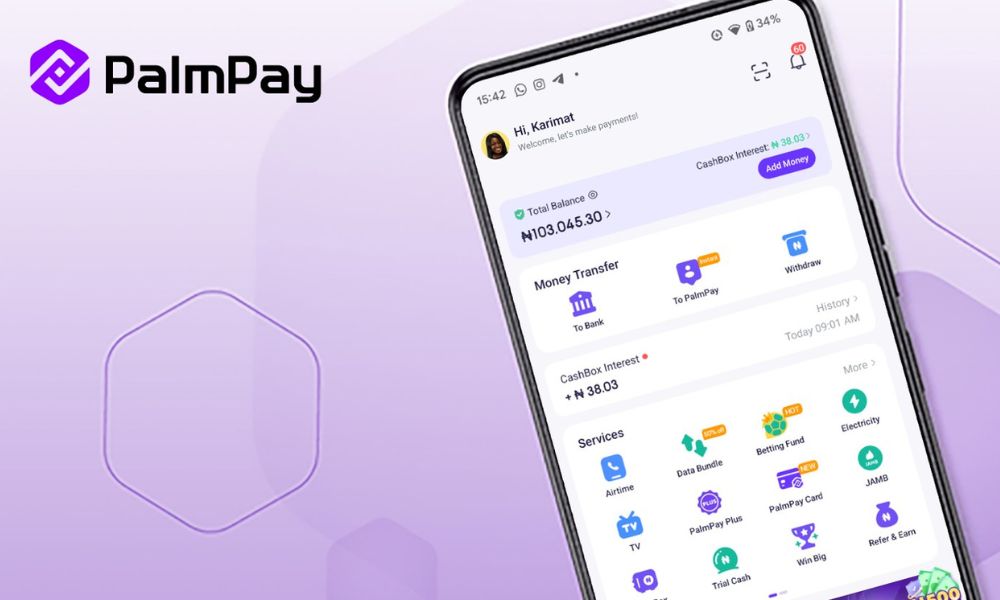
PalmPay has become one of Nigeria’s fastest-growing fintech apps due to its accessibility and rewards system.
Highlights:
- Cashback on transactions
- Airtime and bill payment discounts
- Strong distribution through Android ecosystem
- Easy onboarding for first-time users
PalmPay is especially dominant among entry-level smartphone users.
Best for: Cashback rewards and new smartphone users
🏅 Moniepoint — Best for Business Banking
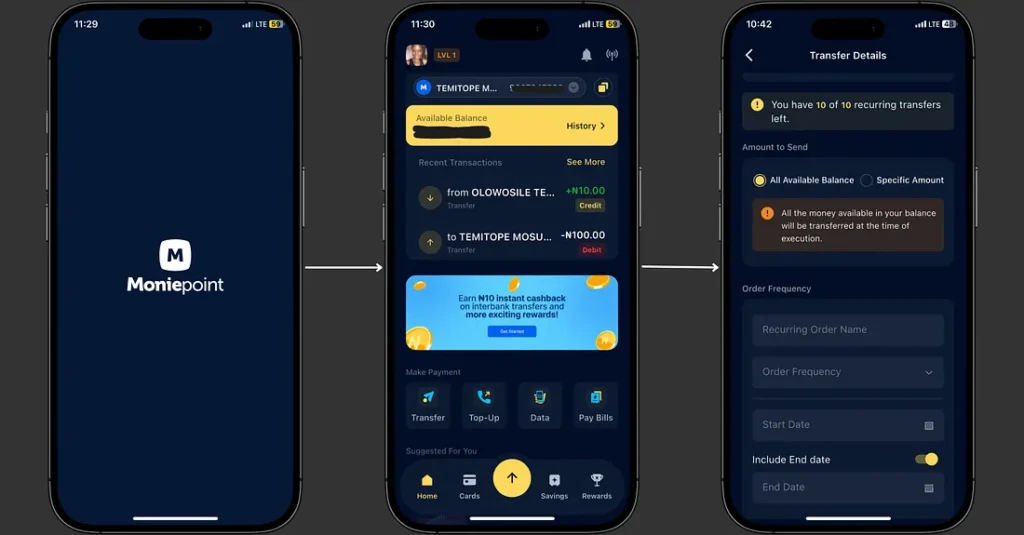
Moniepoint is the backbone of Nigeria’s POS economy.
It is not just a banking app—it is a full business infrastructure platform.
Features:
- Instant POS settlement
- Business account management
- Payroll and staff sub-accounts
- High uptime reliability
It is widely considered the most stable fintech for SMEs.
Best for: Businesses and POS agents
🏅 Carbon — Best Hybrid Banking + Credit App
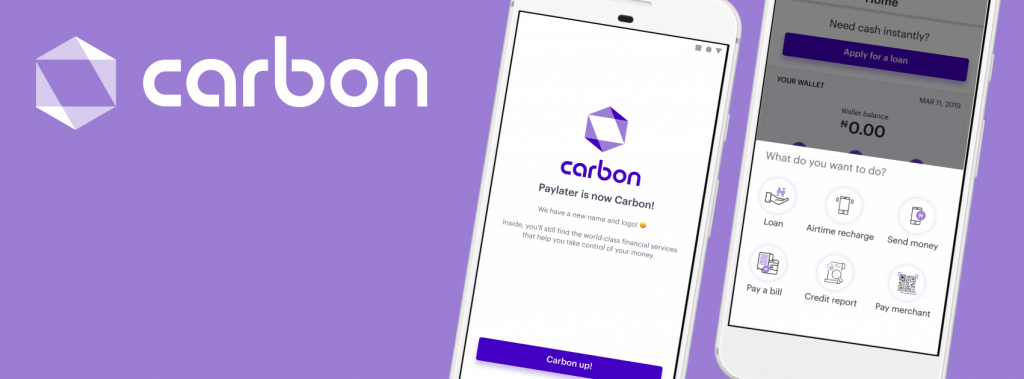
Carbon combines banking, lending, and investment features in one ecosystem.
It offers:
- Instant personal loans
- Bill payments
- Savings and investment tools
- Credit score tracking
Carbon is one of the earliest fintech platforms in Nigeria and remains relevant due to its credit ecosystem.
Best for: Loans and credit-based banking
Comparative Insight: Why No Single App Wins
The best banking app in Nigeria depends entirely on user behavior:
- If you want free transfers → Kuda
- If you want cashback → PalmPay
- If you want business stability → Moniepoint
- If you want everyday dominance → OPay
- If you want credit + banking → Carbon
This fragmentation reflects Nigeria’s fintech evolution:
there is no “perfect bank”—only optimized ecosystems.
Security Comparison: Which App Is Safest?
Security is now a major ranking factor due to rising fraud attempts.
Top-performing apps include:
- GTBank app (strong biometric + device binding)
- Access Bank app (AI fraud detection systems)
- Carbon (regulated microfinance structure)
Modern banking apps now use:
- Fingerprint authentication
- Face ID login
- Device binding
- Real-time fraud alerts
- Transaction PIN layers
Emerging Trend: Why Fintech Apps Are Winning Over Traditional Banking
Nigeria is experiencing a structural shift:
- Lower transaction fees
- Faster onboarding
- Better UX design
- Agent banking expansion
- Integrated savings tools
Research shows users increasingly prefer fintech apps due to speed and usability challenges in traditional banking systems
Common Problems with Banking Apps in Nigeria
Even the best banking app in Nigeria still faces challenges:
- Network-related transaction failures
- Occasional downtime during peak hours
- Delayed reversals
- Fraud phishing risks
- App update inconsistencies
These issues are systemic across the financial ecosystem—not just app-specific.
How to Choose the Best Banking App in Nigeria
Choose based on your financial behavior:
- Frequent transfers → OPay or Kuda
- Business operations → Moniepoint
- Savings goals → PiggyVest or Carbon
- Cashback spending → PalmPay
- Hybrid needs → Carbon
Final Verdict
The best banking app in Nigeria is not a single platform—it is a category of specialized fintech tools.
However, in overall performance:
👉 OPay leads for general users
👉 Kuda leads for structured banking
👉 Moniepoint leads for businesses
Nigeria’s fintech future is no longer about banks vs banks—but ecosystems competing for financial control.

The WIRED.Africa's Press Desk delivers breaking news, official announcements, and timely updates on technology, business, innovation, and digital policy. Stories published under this byline are produced through the collaborative efforts of the editorial team and trusted news sources.




1 comment