




Meta facial recognition smart glasses technology has been discovered in unreleased software code embedded within applications downloaded to millions of smartphones, according to an investigation by WIRED.
The social media giant quietly integrated facial-recognition infrastructure into the software ecosystem supporting its smart glasses. Investigations uncovered unreleased code embedded within applications installed on millions of smartphones.
The findings suggest that Meta has developed the technical foundation for a system capable of identifying individuals through biometric analysis, with portions of the functionality already present within software linked to the company’s smart glasses platform.
A review of the codebase by WIRED revealed references to a facial-recognition framework designed to process and match faces against biometric data stored locally on a user’s device. While the feature has not been publicly released or enabled for consumers, its presence indicates that Meta has been actively building advanced identity-recognition capabilities into its wearable computing ecosystem.
The discovery highlights Meta’s broader ambitions in augmented reality (AR) and wearable artificial intelligence, where smart glasses are increasingly viewed as the next major computing platform after smartphones.
Building the Foundations for Always-On Visual Intelligence

Industry analysts have long speculated that future generations of smart glasses would rely heavily on computer vision, machine learning, and biometric identification to provide contextual information about people, places, and objects in real time.
The code reviewed by WIRED appears to support that trajectory. Rather than performing facial matching entirely in the cloud, the system reportedly leverages biometric data stored on a user’s smartphone, potentially reducing latency while keeping sensitive data on-device.
Such an architecture aligns with broader industry trends toward edge AI, where machine-learning models execute directly on consumer hardware instead of remote servers.
The emergence of facial-recognition capabilities within consumer wearables could enable a range of future applications, including personalized digital assistants, contact identification, accessibility features, and real-time contextual information overlays delivered through augmented reality interfaces.
Meta facial recognition smart glasses Privacy and Regulatory Questions
The revelation is likely to reignite debate over biometric privacy and surveillance concerns surrounding wearable technologies.
Facial-recognition systems remain among the most heavily scrutinized AI technologies globally, with regulators in Europe, North America, and other regions imposing restrictions on the collection, storage, and processing of biometric identifiers.
Privacy advocates have warned that combining AI-powered smart glasses with facial-recognition capabilities could fundamentally alter expectations of anonymity in public spaces.
Meta has previously faced regulatory challenges over its handling of facial-recognition technologies, including legal disputes related to biometric data collection on social media platforms.
The Race Toward AI Wearables
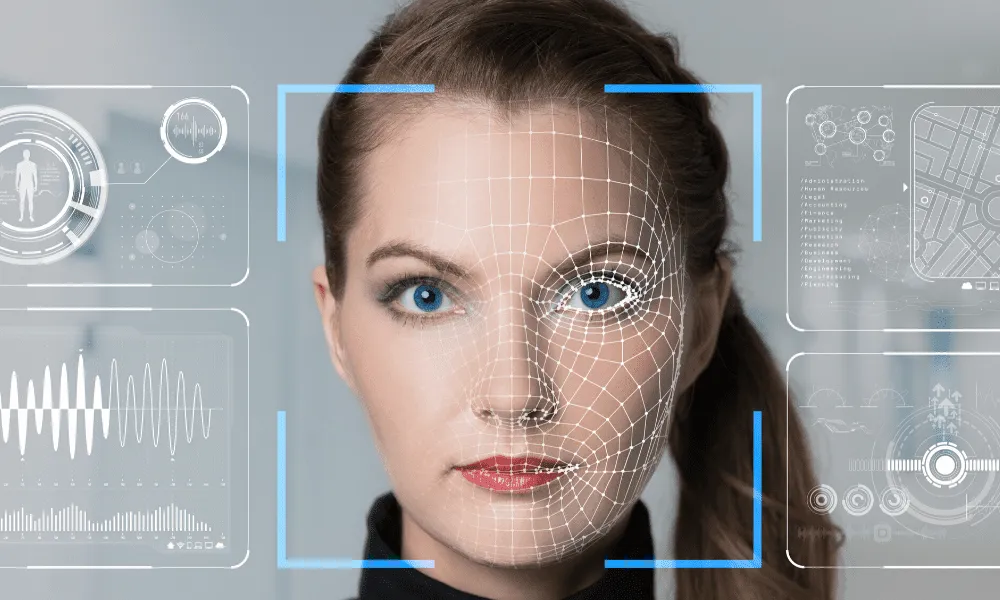
The discovery comes as major technology companies intensify efforts to establish leadership in the emerging AI wearables market.
Meta has invested heavily in smart glasses through its partnership with EssilorLuxottica and continues to position wearable devices as a key pillar of its long-term metaverse and augmented-reality strategy.
As AI models become increasingly capable of interpreting visual information in real time, the integration of facial recognition into wearable hardware represents a significant technological milestone—and one that could reshape the relationship between humans, artificial intelligence, and personal privacy.
While Meta has not publicly announced the feature, the presence of the underlying code suggests the company may already be laying the groundwork for a future generation of smart glasses capable of recognizing and identifying people in the user’s field of view.

The WIRED.Africa's Press Desk delivers breaking news, official announcements, and timely updates on technology, business, innovation, and digital policy. Stories published under this byline are produced through the collaborative efforts of the editorial team and trusted news sources.


2 comments