





Nigeria’s broadband landscape is evolving fast, and two major players are shaping the conversation around high-speed internet access: Starlink and MTN Nigeria’s FibreX.
Both promise fast, reliable, and unlimited internet, but they operate on fundamentally different technologies. This distinction is where the real conversation begins.
1. Technology: Satellite vs Fibre Optics
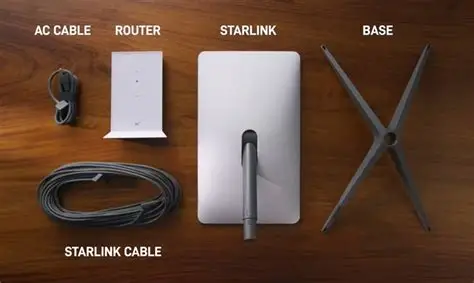
The biggest difference between the two is how they deliver internet.
Starlink is a Low Earth Orbit (LEO) satellite system. It beams internet directly from space to a dish installed in your home. This makes the service available across most parts of Nigeria where Starlink service is authorized and there is a clear view of the sky
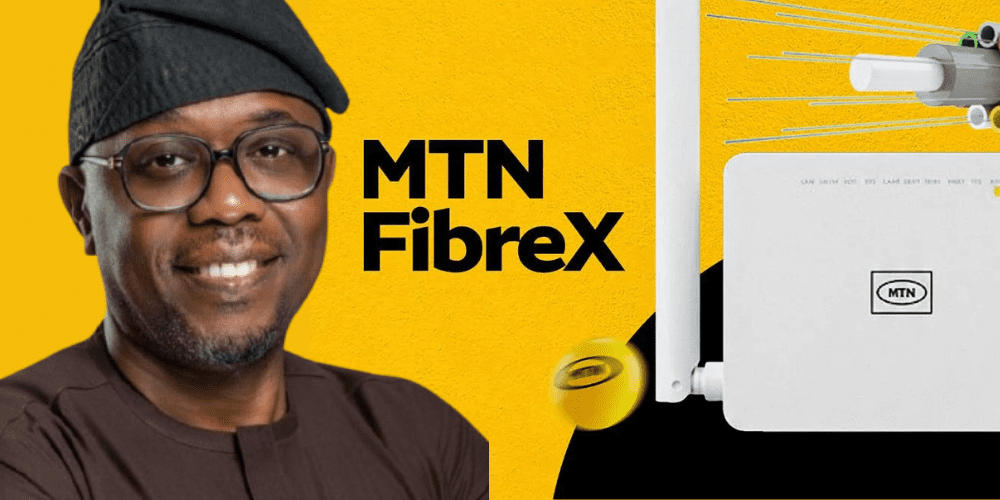
MTN FibreX, on the other hand, uses fibre-optic cables (FTTH – Fibre to the Home). These cables transmit data as light signals through physical infrastructure, offering high stability and consistency—but only in areas where fibre has been deployed.
Implication:
- Starlink wins on coverage and accessibility
- FibreX wins on stability and infrastructure efficiency
2. Setup Cost

This is often the first major decision point for users.
- MTN FibreX: Typically comes with zero installation cost in covered areas and includes a router.
- Starlink: Requires a one-time hardware purchase (dish, router, mounting kit), which in Nigeria can range roughly between ₦300,000 and ₦600,000 depending on availability.
Analysis:
Starlink demands a heavy upfront investment, making it less accessible to the average user. FibreX lowers the barrier to entry significantly.
3. Monthly Subscription & Pricing Model
The pricing philosophy of both services differs.
- MTN FibreX: Tiered pricing based on speed (e.g., 50 Mbps, 100 Mbps, 200 Mbps), with plans scaling in cost as speed increases.
- Starlink: Flat monthly fee (around ₦57,000 in Nigeria), regardless of speed usage.
For context, FibreX plans can go up to 1 Gbps, with higher-tier plans costing more monthly.
Real-world observation:
A 200 Mbps FibreX plan can cost more than Starlink’s flat fee, yet Starlink users often report speeds within the 50–200 Mbps range, with many experiencing above 100 Mbps.
Implication:
- FibreX offers structured pricing and predictability
- Starlink offers perceived “value density” if speeds remain high
4. Speed and Performance (Technical Analysis)
Starlink
- Typical download speeds: 25–220 Mbps
- Upload speeds: 5–30 Mbps
- Latency: 25–60 ms
Performance can fluctuate due to network congestion, weather, and satellite handoffs.
MTN FibreX
- Typical speeds: 50–1Gps (depending on plan)
- Symmetrical upload/download speeds
- Latency: Significantly lower (often ~10–20 ms range for fibre networks)
Technical Insight:
Fibre optics deliver lower latency because data travels through physical cables rather than space. This makes FibreX superior for:
- Online gaming
- Real-time communication
- High-frequency transactions
Conclusion on Speed:
- FibreX = more consistent and lower latency
- Starlink = variable but competitive speeds
5. Reliability and Stability
This is where things become more nuanced.
Starlink Reliability

- Independent of local infrastructure
- Works in areas with poor ISP coverage
- Can be affected by heavy rain or network congestion
MTN FibreX Reliability
- Very stable under ideal conditions
- Vulnerable to:
- Power outages (requires constant electricity)
- Fibre cuts and infrastructure damage
- Limited geographic coverage
Balanced View:
- In urban areas with stable power, FibreX is extremely reliable
- In less stable environments, Starlink often proves more dependable
6. Coverage and Accessibility

- Starlink: Nationwide availability, including rural areas
- FibreX: Limited to major cities and specific estates where fibre has been laid
This is arguably Starlink’s biggest advantage.
MTN vs Starlink: Quick Comparison Table
| Feature | MTN FibreX | Starlink |
|---|---|---|
| Technology | Fibre-to-the-Home (FTTH) | Low Earth Orbit (LEO) Satellite |
| Coverage | Selected cities and estates | Nationwide across Nigeria |
| Installation Cost | Usually free in covered locations | Hardware purchase required |
| Monthly Cost | Varies by speed plan | Fixed monthly subscription |
| Speed Range | Up to 1 Gbps depending on plan | Typically 25–220 Mbps |
| Latency | Usually 5–20 ms | Usually 25–60 ms |
| Gaming Performance | Excellent | Good |
| Weather Impact | Minimal | Can be affected by severe weather |
| Best For | Urban homes and businesses | Rural and underserved areas |
MTN vs Starlink for Home Internet in Nigeria
For most urban households, the MTN vs Starlink decision comes down to availability. If MTN FibreX is available in your area, fibre internet generally provides lower latency, more consistent speeds, and a lower cost of entry.
However, Starlink remains one of the best internet options for Nigerians living in locations where fibre infrastructure has not yet been deployed. This makes Starlink particularly attractive in semi-urban and rural communities where traditional broadband providers have limited coverage.
In practical terms, MTN FibreX is often the better choice for users who prioritize online gaming, video conferencing, and uninterrupted streaming. Starlink, on the other hand, excels in locations where reliable fixed broadband simply does not exist.
MTN FibreX vs Starlink for Gaming
Gamers often compare MTN FibreX vs Starlink because latency matters more than raw download speed.
Fibre-optic networks typically provide significantly lower latency than satellite internet. Lower latency translates to faster response times in competitive games such as EA FC, Call of Duty, PUBG Mobile, Fortnite, and Valorant.
While Starlink has dramatically improved satellite internet performance compared to traditional satellite providers, it still cannot consistently match the latency advantages of fibre.
For serious gamers in fibre-covered areas, MTN FibreX is generally the preferred option.
MTN vs Starlink for Businesses
Businesses evaluating MTN vs Starlink should consider reliability, scalability, and location.
For offices located in major cities, MTN FibreX offers predictable performance and lower latency, making it suitable for cloud applications, VoIP systems, video conferencing, and large-scale data transfers.
For businesses operating in remote locations, construction sites, agricultural facilities, or regions with limited broadband infrastructure, Starlink provides connectivity that would otherwise be difficult or impossible to obtain.
Many organizations are increasingly using Starlink as a backup internet connection while maintaining fibre as their primary service.
Which is better: MTN or Starlink?
There is no universal winner in the MTN vs Starlink debate. MTN FibreX is typically better for users in covered urban areas who prioritize performance and affordability. Starlink is better for users who need reliable internet access in locations where fibre infrastructure is unavailable.
Final Verdict: Which Should You Choose?
The decision is less about which is “better” and more about your context.
Choose MTN FibreX if:
- You live in a fibre-covered urban area
- You want lower latency and consistent speeds
- You prefer lower upfront costs
Choose Starlink if:
- You need internet in areas without fibre coverage
- You want independence from local infrastructure
- You can afford the initial hardware investment
A Practical Perspective
If you don’t already own Starlink, MTN FibreX is a strong and sensible option where available. It is cost-effective, stable, and technically superior in latency-sensitive use cases.
However, if you have already paid the premium for Starlink hardware, switching to FibreX offers limited incremental value unless you specifically need lower latency or cheaper monthly plans.
Final Thought
This comparison highlights a deeper truth about Nigeria’s internet ecosystem: no single solution fits all.
Starlink is solving the access problem.
FibreX is solving the performance problem.
The real winner is the Nigerian user, who now has options. You could as well try indigenous alternatives like the SmartCity Fiber to Home internet option.

AI Engineer (Applied Generative AI), Web Developer, Growth Systems Builder and tech writer with a great passion for building AI-powered workflows, websites, and digital growth systems.




4 comments