




The rise of livestreaming has transformed the internet from a place where people only consume content into a marketplace where creators can build communities and generate income in real time. This article attempts to xray how to make money from livestreaming as a newbie in this streaming space.
Platforms such as Twitch, Kick and TikTok Live have created new career opportunities for gamers, entertainers, educators, influencers and digital entrepreneurs who can attract loyal audiences.
Unlike traditional media, livestreaming allows creators to monetize attention directly through subscriptions, virtual gifts, advertisements, sponsorships and fan support.
For many successful streamers, the question is no longer whether livestreaming can make money, but how creators convert viewers into sustainable revenue.
How Do Livestreamers Make Money?
Livestream creators make money through several income streams, including:
- Subscriptions
- Virtual gifts and donations
- Advertising revenue
- Sponsorships and brand partnerships
- Affiliate marketing
- Merchandise sales
- Exclusive memberships
- Paid communities and courses
The most successful creators usually combine multiple revenue sources instead of depending on only one platform.
How Twitch Streamers Make Money
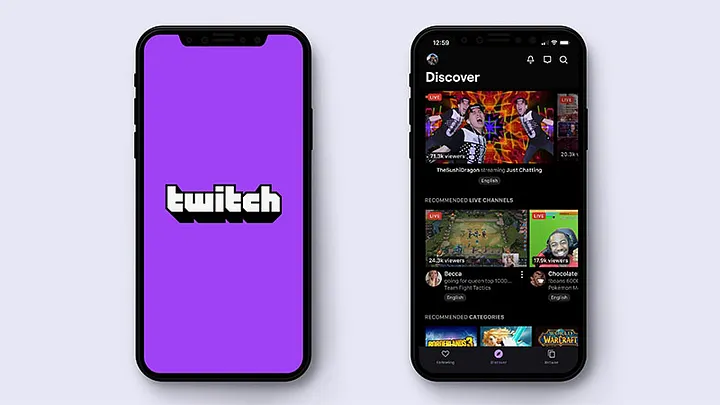
Twitch remains one of the biggest livestream platforms globally, especially among gamers, esports personalities and entertainment creators.
Twitch creators earn money through:
1. Twitch Subscriptions
Subscriptions are one of the main ways Twitch streamers generate income.
Viewers can subscribe monthly to support creators and receive benefits such as:
- Custom emojis
- Subscriber badges
- Exclusive chats
- Special community access
Twitch generally shares subscription revenue with eligible creators, although the exact percentage varies depending on agreements and creator status.
2. Twitch Bits and Donations
Fans can support streamers by purchasing Bits, Twitch’s virtual cheering currency.
When viewers send Bits during a livestream, creators receive financial compensation.
Many full-time Twitch streamers earn thousands of dollars monthly through loyal fan donations.
3. Twitch Advertising Revenue
Streamers can earn from advertisements displayed during their broadcasts.
Revenue depends on factors such as:
- Number of viewers
- Watch time
- Audience location
- Advertisement demand
Large streamers with thousands of concurrent viewers can generate significant advertising income.
4. Brand Sponsorships
Successful Twitch creators often work with companies that want access to gaming and online communities.
Brands pay streamers to promote:
- Gaming equipment
- Software
- Energy drinks
- Smartphones
- Internet services
- Digital products
For top creators, sponsorships can become their largest source of income.
How Kick Streamers Make Money
Kick entered the livestream market by offering creators a more generous revenue-sharing model compared with traditional platforms.
Kick creators can earn money through:
1. Channel Subscriptions
Kick allows viewers to subscribe to creators monthly.
The platform became popular among streamers because of its creator-focused revenue split, allowing creators to retain a larger percentage of subscription earnings compared with many competitors.
2. Viewer Donations
Like other livestream platforms, Kick creators can receive direct financial support from their communities.
Large creators with dedicated audiences often generate substantial income through fan contributions.
3. Creator Incentive Programs
Kick has introduced programs designed to attract and reward popular streamers.
These programs may include:
- Performance-based payments
- Exclusive creator deals
- Audience growth incentives
However, earnings depend heavily on popularity, engagement and contractual agreements.
How TikTok Live Creators Make Money
TikTok has expanded beyond short videos by becoming one of the largest live commerce and creator monetization platforms.
TikTok creators earn through:
1. Virtual Gifts
During TikTok Live sessions, viewers can purchase virtual gifts using TikTok Coins and send them to creators.
Creators can convert eligible gifts into earnings.
Popular TikTok Live categories include:
- Entertainment
- Gaming
- Music performances
- Product demonstrations
- Education
- Lifestyle content
2. TikTok Live Shopping
TikTok has become a major platform for social commerce.
Creators can earn commissions by promoting products during livestreams.
This model allows influencers to combine entertainment and sales.
A creator demonstrating a product live can earn money from every purchase generated through their stream.
3. Brand Partnerships
Companies increasingly work with TikTok creators because livestream audiences often have high engagement.
Brands pay creators to:
- Review products
- Host live campaigns
- Demonstrate services
- Drive sales
How Much Money Can Livestreamers Make?
How to Make Money From Livestreaming….
Livestream income varies widely.
A beginner creator may earn little or nothing initially, while established streamers can make thousands or even millions of dollars annually.
Income depends on:
| Factor | Impact on Earnings |
|---|---|
| Audience size | More viewers create more opportunities |
| Engagement | Loyal communities spend more |
| Content niche | Some categories attract higher-paying advertisers |
| Streaming frequency | Consistency improves growth |
| Platform strategy | Different platforms offer different monetization options |
A creator with 100 loyal fans may sometimes earn more than someone with thousands of passive viewers because community loyalty drives revenue.
Which Livestream Platform Pays the Most?
There is no single platform that guarantees the highest income.
The best platform depends on the creator’s audience and content style.
Twitch
Best for:
- Gaming
- Esports
- Long-form communities
Strength:
- Established creator ecosystem
Kick
Best for:
- Streamers seeking higher subscription revenue shares
- Gaming and entertainment communities
Strength:
- Creator-focused monetization approach
TikTok Live
Best for:
- Influencers
- Product sellers
- Lifestyle creators
Strength:
- Viral discovery and social commerce
How Beginners Can Start Making Money From Livestreaming
New creators should focus on building an audience before expecting significant income.
A practical strategy includes:
1. Choose a Specific Niche
Successful livestream categories include:
- Gaming
- Technology reviews
- Tutorials
- Finance education
- Music
- Fitness
- Cooking
- Business discussions
2. Stream Consistently
Algorithms reward creators who maintain regular activity.
A consistent schedule helps viewers develop habits around watching streams.
3. Build Community
Successful livestreaming is not only about broadcasting.
Creators should:
- Respond to viewers
- Create inside jokes
- Encourage participation
- Build loyal followers
4. Repurpose Livestream Content
A single livestream can become:
- YouTube videos
- TikTok clips
- Instagram Reels
- Blog content
- Podcast episodes
This increases discoverability.
The Future of Livestream Monetization
Livestreaming is becoming a major part of the global creator economy.
With improvements in artificial intelligence, faster internet networks and social commerce, livestream creators will have more tools to build businesses around their audiences.
The future will likely combine:
- AI-powered content creation
- Virtual influencers
- Interactive shopping
- Digital communities
- Creator-owned businesses
For creators willing to invest time in building trust and engaging audiences, livestreaming is becoming less of a hobby and more of a digital business model.
How Nigerian Streamers Are Making Money: Lessons from Peller and Carter Efe
Nigeria’s creator economy is entering a new phase where livestreaming is becoming a standalone digital business, rather than simply an extension of short-form content. While YouTube and Instagram remain important for video distribution, platforms such as TikTok Live, Twitch and Kick are creating new monetisation opportunities that allow creators to earn money in real time through audience engagement.
Among the pioneers of this model are Habeeb Hamzat (Peller) and Carter Efe, whose success demonstrates how African creators are leveraging livestream technology, recommendation algorithms, virtual gifting systems and online communities to build profitable digital businesses.
Rather than relying solely on advertising revenue or brand endorsements, these creators have embraced interactive livestream monetisation, where audience participation itself becomes the product.
Peller: Building a Multi-Million Naira Business Through TikTok Live

How to Make Money From Livestreaming…
Peller has become one of Nigeria’s most successful livestream creators, largely through TikTok Live. Unlike many influencers who depend primarily on sponsored posts, his business model revolves around long-form live interactions that encourage viewers to stay engaged and voluntarily send virtual gifts.
During an interview on Rubbin’ Minds, Peller disclosed that he earns an average of ₦15 million to ₦20 million weekly from TikTok livestreams. He also revealed that some individual livestream sessions have generated as much as $10,000 in gifts before TikTok’s revenue share is deducted.
Interestingly, Peller attributes his growth less to asking viewers for money and more to changing how he interacts with his audience.
Instead of repeatedly requesting gifts, he focuses on authentic conversations, humour and spontaneous audience engagement. According to him, this strategy increased watch time, improved viewer retention and ultimately led to more gifts being sent organically.
From a technology perspective, this reflects how TikTok’s recommendation engine rewards livestreams that maintain high engagement metrics such as:
- Average watch duration
- Viewer retention
- Comment activity
- Gift frequency
- Repeat viewers
- Live sharing
These behavioural signals help TikTok recommend livestreams to larger audiences, creating a feedback loop in which engagement drives visibility, and visibility drives revenue.
Carter Efe: Expanding African Livestreaming Beyond TikTok

While Carter Efe first gained prominence as a comedian and musician, he has increasingly positioned himself within Africa’s livestream ecosystem, particularly on Twitch.
His high-profile livestream collaborations with Afrobeats superstar Davido attracted record-breaking audiences and significantly expanded his international visibility. Industry reports note that he became one of Africa’s most-followed Twitch streamers before a temporary platform suspension interrupted his rapid growth.
Unlike traditional content creators who publish edited videos, Carter Efe’s livestreams emphasize:
- Real-time celebrity interactions
- Community participation
- Viral moments
- Music and entertainment discussions
- Collaborative streaming
These formats encourage viewers to remain connected for longer sessions, increasing opportunities for subscriptions, donations, sponsorships and future commercial partnerships.
Although exact earnings from Twitch have not been publicly verified, livestream audiences of this scale significantly increase a creator’s value to advertisers, gaming brands and entertainment companies.
The Technology Behind Their Success
Peller and Carter Efe represent a broader shift in how creator income is generated.
Instead of treating livestreaming as a feature, they have built businesses around technologies that maximise audience interaction.
Key technologies powering this model include:
- AI-powered recommendation algorithms
- Real-time video compression
- Ultra-low latency streaming
- Virtual gifting infrastructure
- Digital wallet integration
- Live moderation systems
- Creator analytics dashboards
- Cloud-based content delivery networks (CDNs)
These technologies allow millions of viewers to interact simultaneously while enabling creators to receive digital gifts, subscriptions and donations almost instantly.
Livestreaming Is Becoming Nigeria’s Next Digital Economy
The rapid growth of creators like Peller highlights how livestreaming is evolving into a viable digital profession in Nigeria.
According to Peller, a single 20- to 30-minute livestream can generate between $2,000 and $3,000, with exceptional sessions reaching $10,000, though TikTok retains a share of those earnings before payouts.
These figures illustrate an important shift in the creator economy: revenue is increasingly tied to community engagement rather than just follower counts. A loyal audience willing to participate in livestreams, send gifts and return regularly can be more valuable than a much larger but passive following.
As internet connectivity improves across Africa, smartphone adoption increases and digital payment systems become more accessible, livestreaming is likely to become an even more significant source of employment and entrepreneurship. For Nigerian creators, the opportunity is no longer limited to publishing videos—it now includes building interactive digital communities capable of generating sustainable, real-time income.
Frequently Asked Questions (AEO Section)
How do livestreamers make money?
Livestreamers make money through subscriptions, donations, virtual gifts, advertising, sponsorships, affiliate marketing and selling products.
Can beginners make money streaming?
Yes. Beginners can earn money through fan support, affiliate programs, sponsorships and product sales, but building an audience usually takes consistent effort.
Does TikTok Live pay more than Twitch?
TikTok Live can generate strong earnings through gifts and shopping, while Twitch is stronger for gaming communities and subscriptions. Earnings depend on audience size and engagement.
Is Kick better than Twitch for making money?
Kick offers a creator-friendly revenue model, but Twitch has a larger established audience. The better option depends on the creator’s niche and community.
How many viewers do you need to make money streaming?
There is no fixed number. Some creators earn with small but highly engaged audiences, while others require thousands of viewers.

The WIRED.Africa's Press Desk delivers breaking news, official announcements, and timely updates on technology, business, innovation, and digital policy. Stories published under this byline are produced through the collaborative efforts of the editorial team and trusted news sources.